Many people think working remotely and being a freelancer are the same thing — but they’re not. While both allow flexibility and location freedom, they are very different work models.
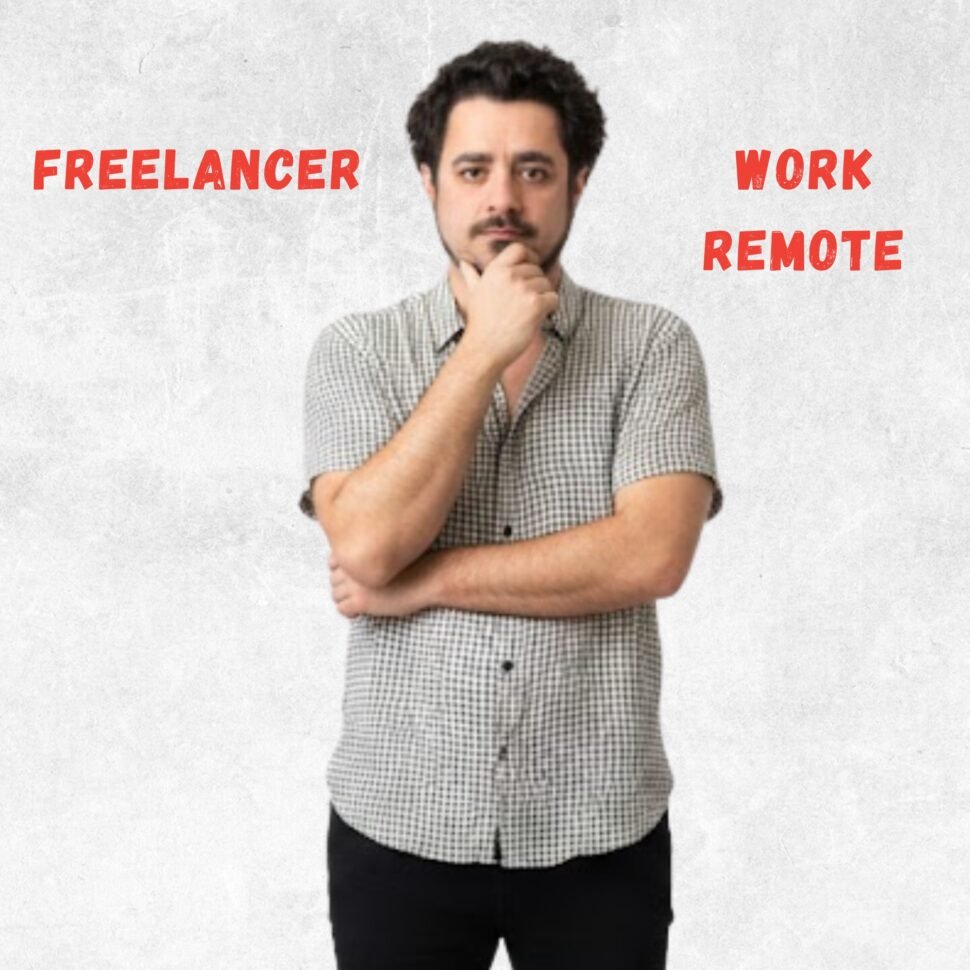
🔹 What is Remote Work?
Remote work means you are employed by a company, but you don’t work from a physical office. You can work from home, a coworking space, or anywhere with internet access.
Key characteristics:
- You have an employer.
- You receive a fixed salary.
- You may have benefits (health insurance, paid leave, etc.).
- You usually follow company schedules and policies.
- Long-term employment relationship.
👉 Example: A marketing manager working from home for a company in another country.
🔹 What is Freelancing?
Freelancing means you are self-employed and offer services to different clients. You manage your own business.
Key characteristics:
- You work with multiple clients.
- You set your own rates.
- You handle your own taxes and expenses.
- No guaranteed monthly income.
- Full control over projects and schedule.
👉 Example: A graphic designer working with several brands on a project basis.
⚖️ Main Differences
| Remote Work | Freelancing |
|---|---|
| Employee status | Self-employed |
| Fixed salary | Variable income |
| Company benefits | No benefits (unless self-managed) |
| More stability | More independence |
| Less financial risk | Higher income potential (but less predictable) |
💡 Which One is Better?
It depends on your goals:
- If you want stability and benefits, remote work may be better.
- If you want freedom, scalability, and control, freelancing might be your path.
Both models offer flexibility — the key is choosing the one that fits your lifestyle, personality, and financial goals.